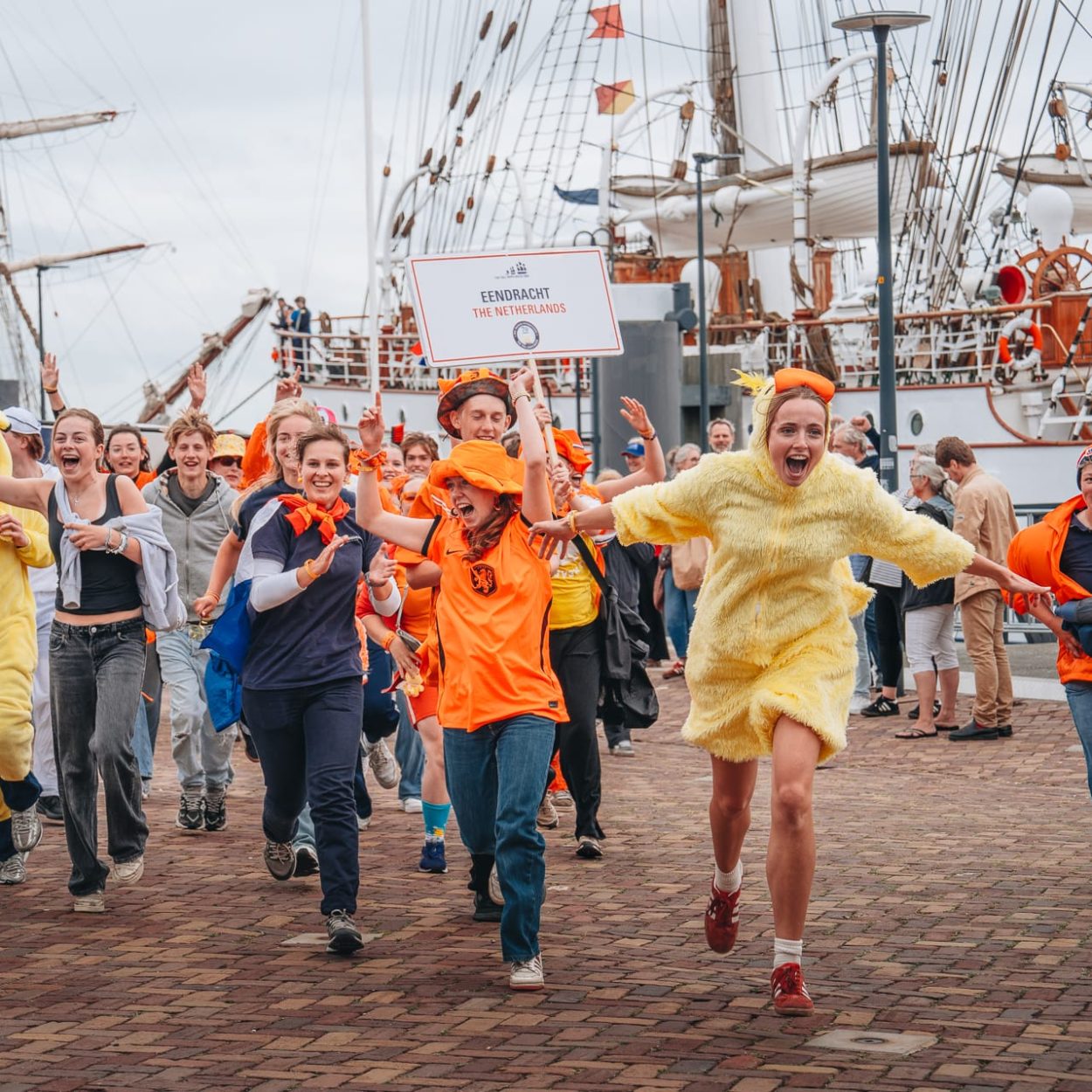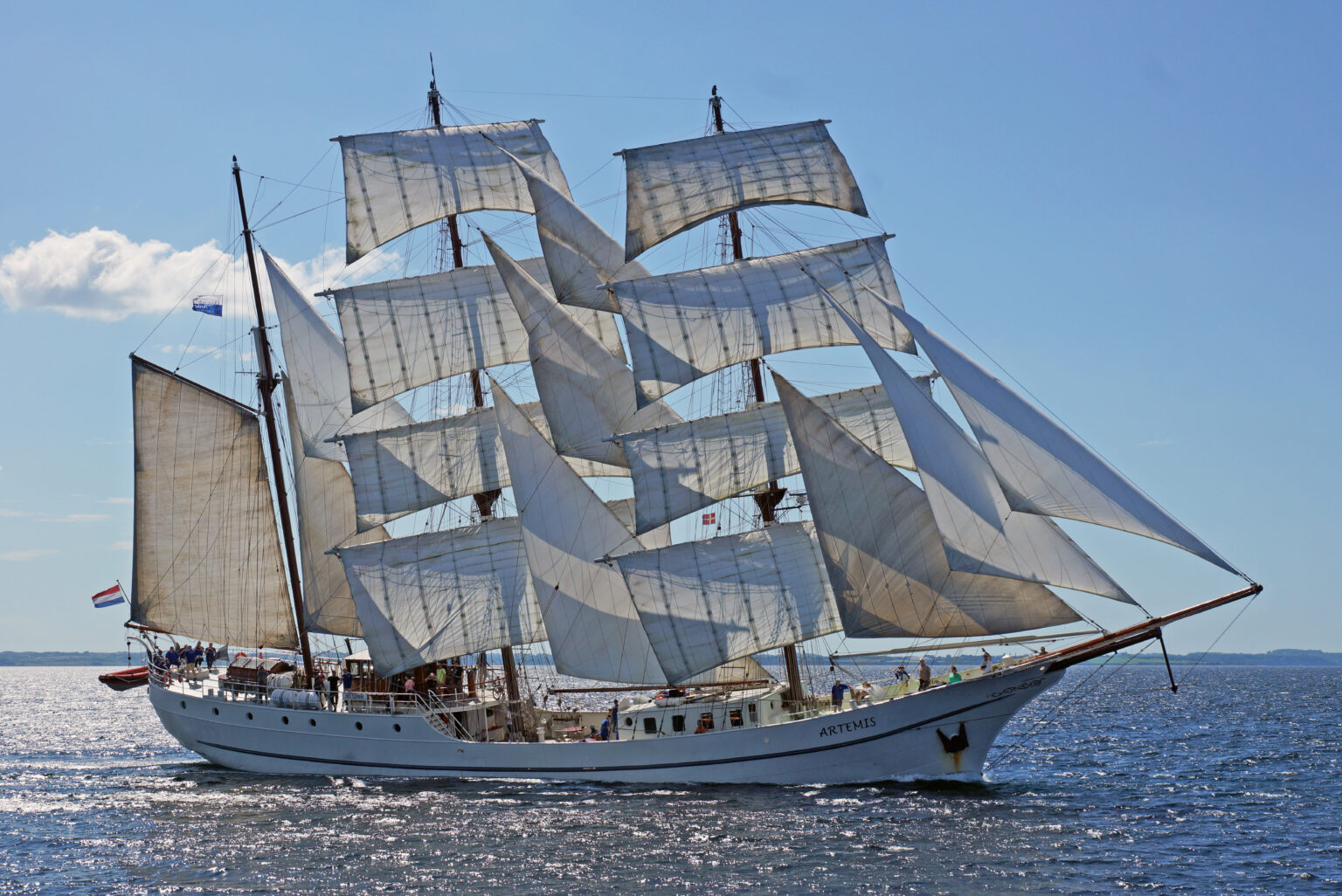
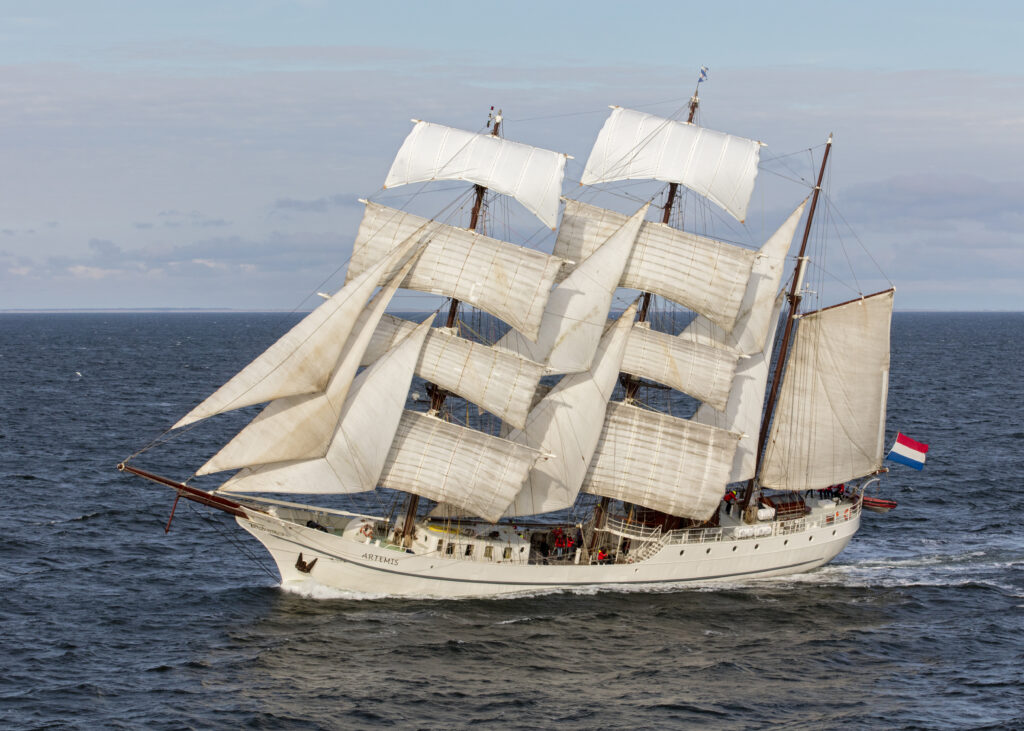
For tall ship Artemis, 2026 is a special year. In addition to her home port of Harlingen being a guest port for the Tall Ships Races, the historic ship is in fact celebrating her 100th birthday. Those who step on board today find themselves on an imposing three-masted barque. A ship with more than 1,000 square metres of sail, 16 luxurious sleeping cabins and two lounges where you effortlessly forget time. But that is only part of the Artemis' story. The ship was originally built to be bang on. Over the years, the ship has always managed to adapt to the changing world.
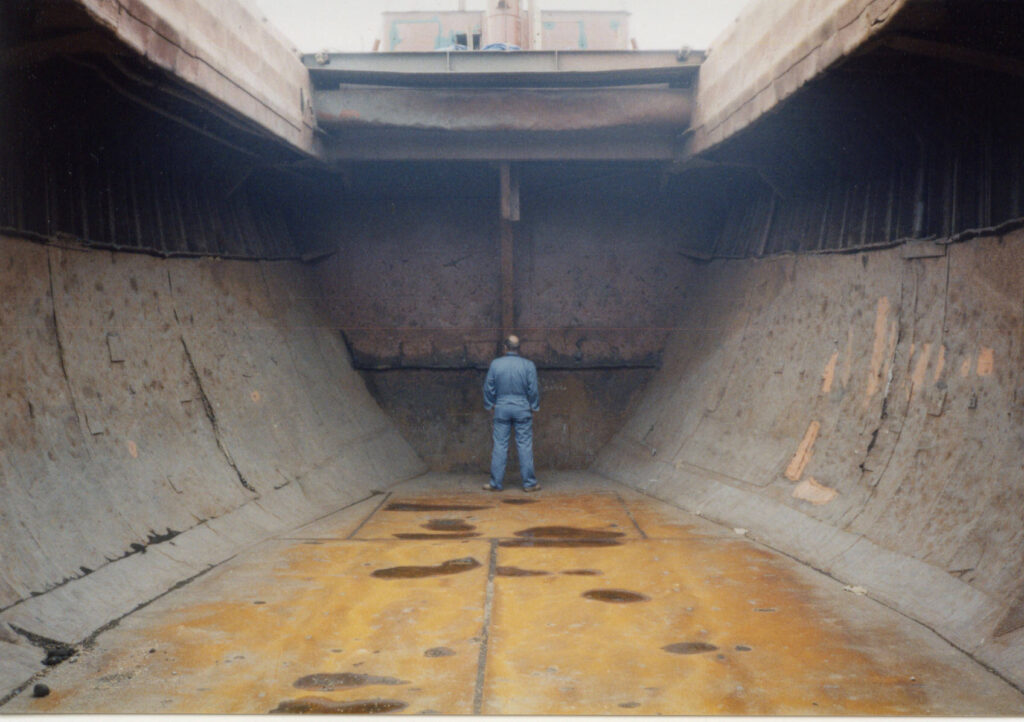
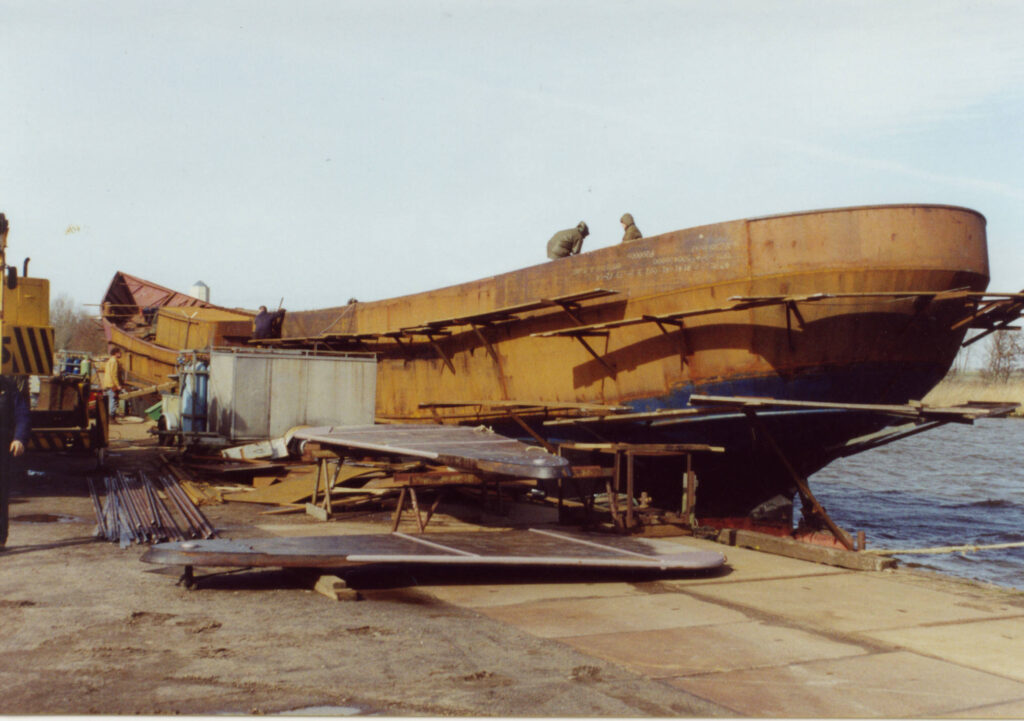
Owner Jan Bruinsma knows the Artemis inside and out. Together with his brother Jelle, he bought the ship in 1999. 'Back then, she was still a cargo ship,' he says. 'It could carry around three hundred tonnes of cargo. Back then, if you stood at the helm, you looked out over the cargo hold.' In the 1950s, the Artemis mainly sailed the Baltic Sea, carrying cargoes such as grain and fodder.
Silent power
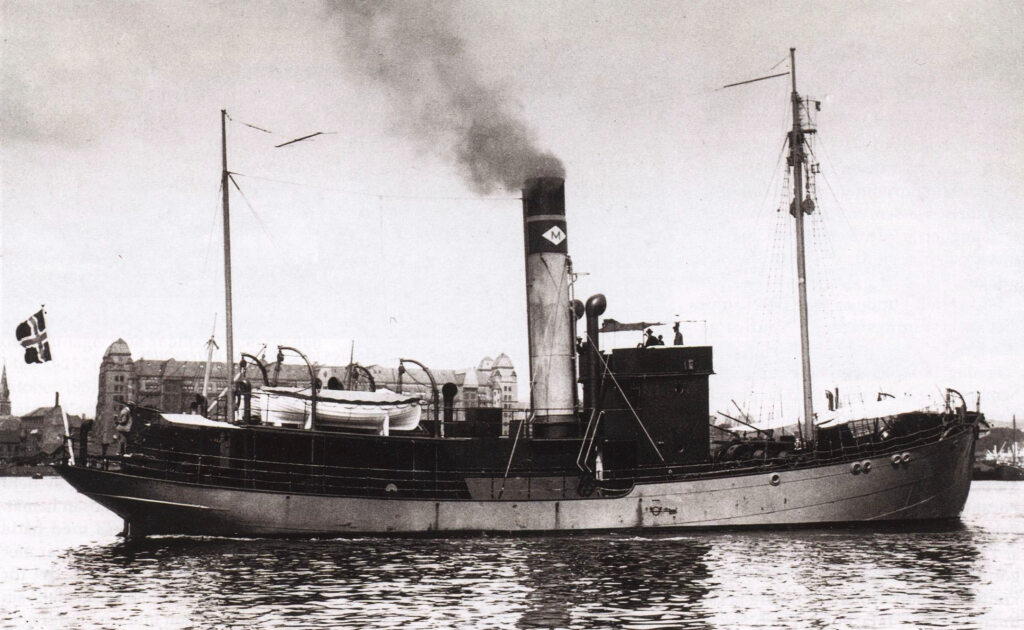
But the ship's history goes back further. When the Artemis (then named Pol II) came off the shipyard in 1926, she was serving as a whaler. For this reason, the Artemis was built as a steamship: the engine was quiet enough to get close to the whales. This very feature made the Artemis very valuable in World War II. Indeed, that is when she was used as a minesweeper and in tracking submarines. 'The Allies wanted those old ships from the whalers,' Jan explains. 'They were quiet, with steam you had much less mechanical noise than with a pounding diesel engine.'
History on board
When Jan and Jelle bought the ship in 1999, they embarked on an intensive restoration. In eighteen months, the Artemis was transformed into a three-masted barque, with sleeping cabins and saloons, as well as retaining character. 'The special thing is still in that hull, which is a hundred years old,' says project manager Joke Santema, who has now been involved with the ship for 12.5 years. 'Above the waterline, you can still see the original rivets. Even the rudder shaft and the compass on deck are really old. That is special. You feel the history when you step on board, that energy is just still there.'
According to Joke, that is also exactly what touches guests of the Artemis. 'You relive old times. Even though the ship has not always been a barque. And at the same time, it is a special realisation of what the Artemis has already experienced. Guests always love to hear how the ship has developed, actually moved with the times.'


Sustainable maintenance
The restoration opted for sustainability as much as possible, but with common sense. 'You have to remain pragmatic,' says Jan. 'You used to have wooden masts, but that means a huge amount of maintenance. And today's wood is simply not of the same quality. So we installed steel masts, with steel and aluminium yards. That is also much lighter; you also have to consider stability, of course.' Since the restoration in 2000, the Artemis has actually always remained in service. The ship has not needed any major maintenance. 'I sometimes joke: we only change the oil and give her a paint job in winter.' Jan is, rightly, very proud of that. 'Meanwhile, we did take it to the Caribbean.'
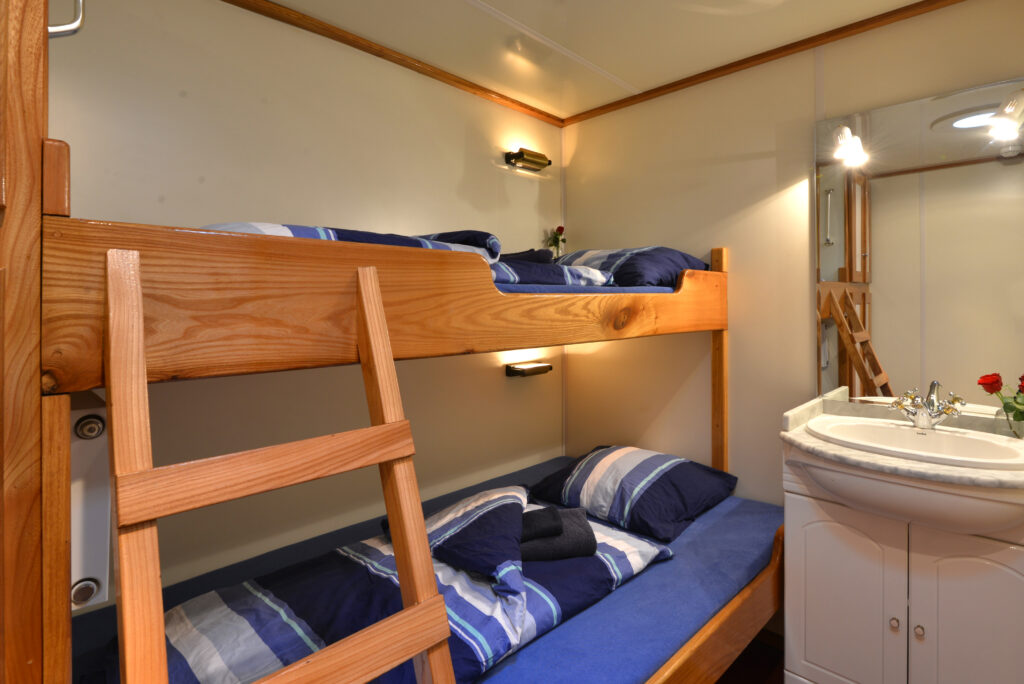
On board, everything has been thought through in detail. The interior seems self-evident, but it is anything but. 'A complete sewage system runs through the entire ship and there are power supplies everywhere,' Joke explains. 'Everything is in there.' Jan adds: 'A sailing ship can be seriously tilted. Sometimes days in a row. Then your drains still have to work. You just have to be able to go to the toilet and take a shower. Life goes on.'

Cooperation requires
The sailing itself remains the highlight for Jan. 'Sailing a ship like this is fantastic. You have the wheel in your hands and control the whole ship. With all those masts and sails above you... that remains impressive.' But it is never an individual experience. 'You always do it together,' says Joke. 'You need a lot of people, muscle power. Hoisting sails, but especially taking them down again if you have to. That's precisely what makes it so special for guests: it's all about working together.' That cooperation is essential. 'With just the nautical crew, it gets exciting,' says Jan. 'Especially if you have to reduce sail quickly in strong winds or a sudden squall. Then you just need extra hands.'
What sets the Artemis apart is the combination of sailing together and comfort. There is a cook on board, a hospitality crew and spacious saloons. Day trips can accommodate 120 people, while multi-day trips can accommodate 32. On board, you step into another world where you are less on your own and more together with the group. Operating the sails, standing watch in the dead of night and spending free time together. 'That brings people a lot,' says Joke. 'It makes for special encounters.'
Special year
This year's Tall Ships Races Harlingen will be extra special. The Artemis is celebrating her centenary in her home port. And there will be something missing all along: a figurehead. 'There just wasn't time for that during the conversion in 2000,' says Joke. 'The 100th anniversary is a great occasion to give the ship a fitting figurehead. The ship, which has been moving with the times for a hundred years, will finally get the signature that goes with it. What the figurehead looks like is still a surprise. We will reveal this during the Tall Ships Races in Harlingen.'